
Cat Hairballs: How Grooming Helps
Written by the PawPup grooming team · Published · Updated
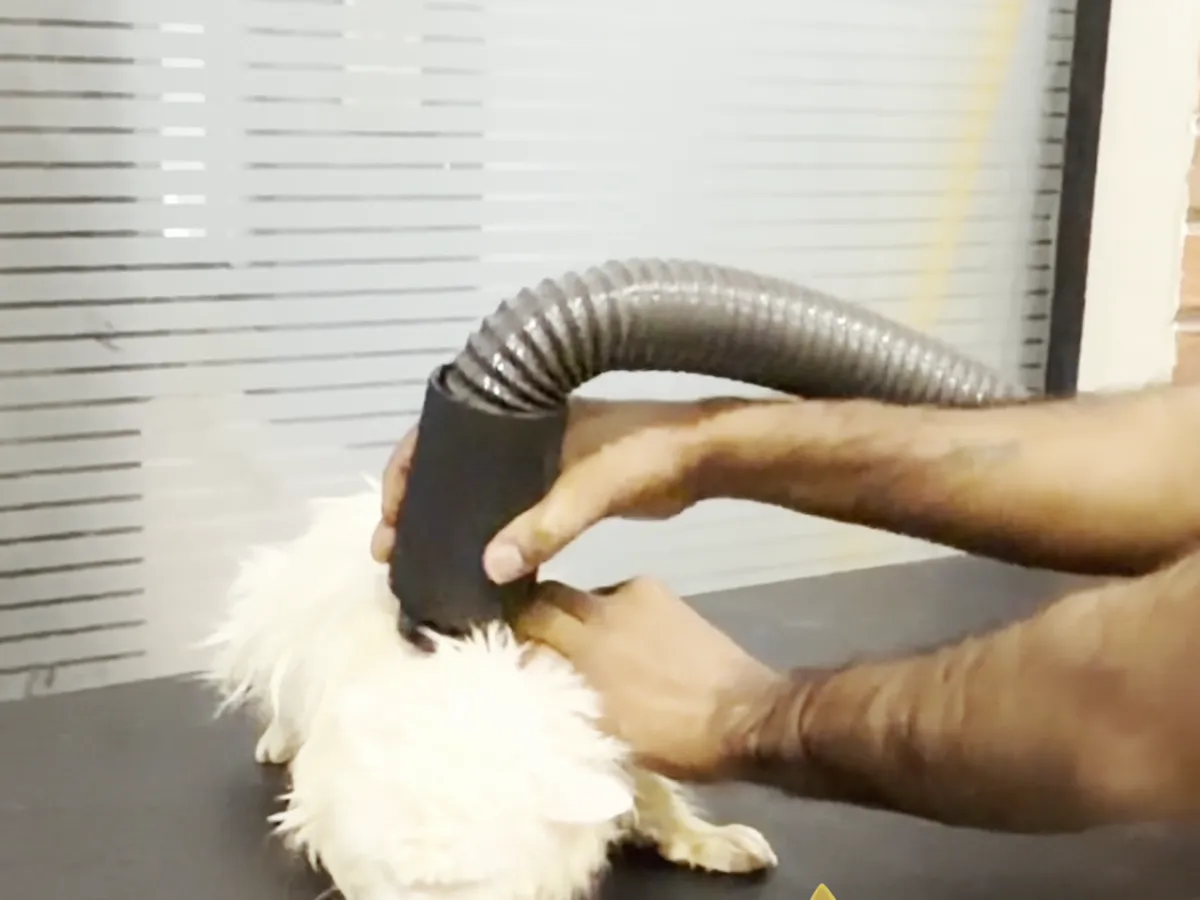
Cat hairballs form because cats swallow loose fur while grooming themselves. Most of it passes through, but some collects in the stomach and comes back up. The simplest way to reduce hairballs is regular brushing, so there’s less loose hair for your cat to swallow. Here’s how it works, the signs that mean something more than a hairball is going on, and how our cat grooming in Lucknow can help.
What causes cat hairballs
A cat’s tongue is covered in tiny backward-facing hooks. They work like a comb, pulling dead hair out of the coat, and that hair has nowhere to go but down. Usually it passes through the gut without trouble. When there’s more hair than the stomach can move along, it clumps together and your cat coughs or vomits it up as a hairball: a damp, sausage-shaped wad of fur.
Which cats get them most
- Long-haired cats like Persians, Himalayans and Maine Coons, which simply have more fur to swallow.
- Cats in a heavy shed, which in Lucknow often means as the weather warms up after winter.
- Cats that over-groom because of stress, boredom, itchy skin or fleas.
How grooming helps
Every hair that ends up in your brush is one that doesn’t end up in your cat’s stomach. That makes brushing the most useful thing you can do at home.
- Long-haired cats: a short brush and comb most days.
- Short-haired cats: once or twice a week with a rubber mitt or soft brush.
- During a heavy shed: more often for every coat type. Our cat shedding guide covers the right tools.
A professional brush-out during shedding season clears a lot of loose undercoat in one go, which can make a noticeable difference for long-haired cats. At home, finish each session by running a slightly damp rubber mitt over the coat. It picks up loose hairs the brush missed, so fewer of them end up swallowed.
Other things that help
- Make sure fresh water is always available.
- Ask your vet about diet. Some foods are formulated to help hair move through the gut.
- Keep indoor cats busy with play and climbing, as boredom can lead to over-grooming.
- Keep up with flea prevention, since itchy cats lick and swallow more fur.
Hairball or something else?
Other things can look like a hairball. A real hairball is usually a narrow, tube-shaped clump of fur, often with some fluid. A cat that crouches low and coughs without bringing up any fur may have a breathing problem, which can look a lot like trying to cough up a hairball. Vomited food with little or no fur points to a stomach upset, eating too fast or something else. Hairballs also tend to come up more often during a heavy shed, so a rise at that time of year isn’t unusual. If you’re not sure what you’re seeing, take a photo or a short video to show your vet.
A simple routine to reduce hairballs
- Brush on a fixed schedule, on the same days each week.
- Add extra sessions as soon as you notice more hair on your furniture.
- For long-haired cats, book a professional brush-out at the start of shedding season.
- Note down when your cat brings up a hairball, so you notice if they become more frequent.
When it isn’t just a hairball
Hairballs are common, but frequent vomiting isn’t something to accept as normal. Check with your vet promptly if your cat:
- Retches or gags repeatedly without bringing anything up.
- Vomits often, or brings up food as well as fur.
- Stops eating, seems lethargic or hides away.
- Is constipated, strains in the litter box or has a tender or swollen belly.
These can be signs of a blockage or another illness that needs veterinary care. Grooming helps prevent hairballs, but it can’t treat them.
Cat brush-outs in Lucknow
If your cat sheds heavily or has a long coat you can’t keep up with, our cat grooming in Gomti Nagar includes a full brush-out to clear loose undercoat. For the home routine, see how to groom a cat.
Frequently Asked Questions
How often is it normal for a cat to have a hairball?
An occasional hairball can be normal, especially in long-haired cats or during a heavy shed. If your cat brings them up often, retches without producing anything, or vomits regularly, check with your vet, as frequent vomiting isn't something to accept as normal.
Does brushing really reduce hairballs?
Yes. Every loose hair you brush out is one your cat doesn't swallow while grooming. Regular brushing, especially during shedding season, is one of the most effective things you can do at home.
Should I give my cat oil or butter for hairballs?
Please don't use home remedies like oil or butter without speaking to your vet. If hairballs are a regular problem, your vet can recommend a safe option and check for an underlying cause.
Book your visit
Message us on WhatsApp or give us a call to pick a slot. Weekends fill up first, so booking ahead helps.
3/31, Vinay Khand 3, Gomti Nagar, Lucknow, Uttar Pradesh 226010 · Grooming & Pool: 10AM–8PM · Cafe: 12PM–10PM