
How to Groom a Cat: Brushing, Baths and Nails
By PawPup Cafe Team · Updated October 8, 2026
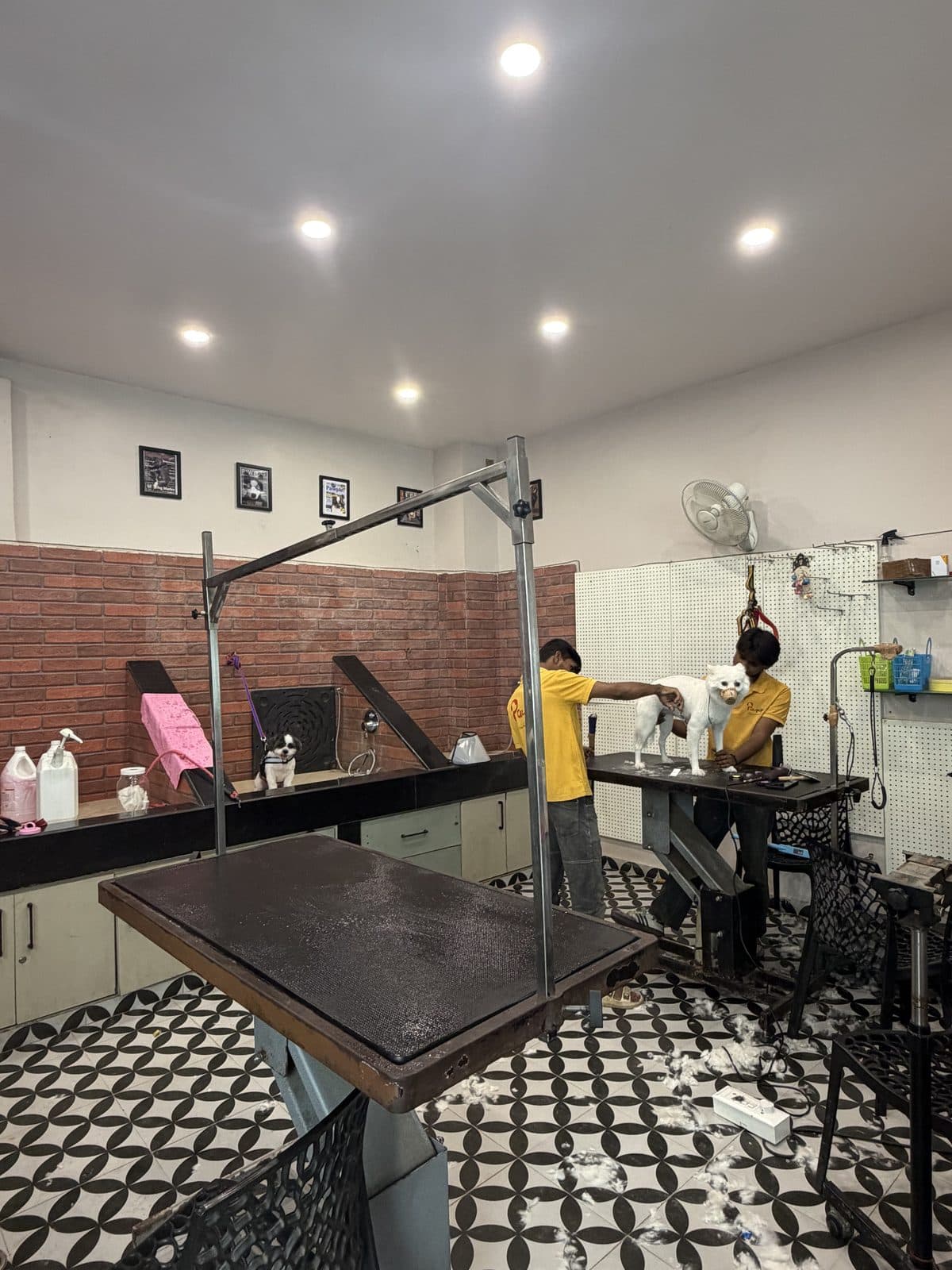

To groom a cat, brush the coat regularly, trim the nails every few weeks, wipe the eyes and check the ears, and bathe only when the coat really needs it. Short, calm sessions work far better than one long struggle. Here is how to groom a cat step by step, from the team at PawPup Cafe’s grooming studio in Lucknow.
How to groom a cat: what you’ll need
- A slicker brush or soft bristle brush, and a wide-toothed metal comb.
- Cat nail clippers, plus styptic powder in case you nick the quick.
- A cat shampoo, two soft towels and a non-slip mat for the sink or tub.
- Cotton pads and lukewarm water for the eyes and outer ears.
- Treats your cat loves, to make every step worth it.
Step 1: Pick the right moment
Choose a time when your cat is relaxed, such as after a meal or a nap, not after a burst of play. Sit somewhere quiet and stroke your cat for a minute before you pick up a tool. If your cat starts flicking its tail, flattening its ears or growling, stop and try again later. A two-minute session that ends well beats a ten-minute one that ends in scratches.
Step 2: Brush and comb the coat
Brush in the direction the fur grows, starting at the back and shoulders where most cats enjoy being touched. Move on to the sides, chest and tail. Leave the belly and the backs of the legs for last, as many cats are touchy there.
Short-haired cats need a brush once or twice a week to lift out loose hair. Long-haired cats like Persians and Maine Coons need a little brushing most days, followed by a comb to find hidden tangles behind the ears, under the armpits and around the tail.
Step 3: Deal with cat hair matting carefully
A mat is a tight clump of fur that has knotted down towards the skin. Small tangles can be teased apart with your fingers, then worked through gently with the end of a comb, holding the hair near the skin so you don’t pull.
Never cut a mat out with scissors. Cat skin is thin and stretchy, and it’s very easy to cut it by accident when it’s pulled up into a knot. Mats sitting flat against the skin are a job for a professional groomer. Our guide to matted hair is written for dogs, but the same rules about how knots form apply to long-haired cats.
Step 4: Give a cat bath only when needed
Most cats rarely need a bath. Bathe your cat if the coat is greasy, smelly or sticky, or if a long-haired or older cat is struggling to keep clean. Always brush out tangles first, since water tightens them.
- Fill the sink with a few inches of lukewarm water before bringing your cat in.
- Wet the body with a cup or gentle sprayer, keeping water away from the face and ears.
- Lather a small amount of cat shampoo, then rinse until no suds are left.
- Wipe the face with a damp cloth instead of pouring water over it.
- Wrap your cat in a towel, press out the water, then use a second towel. Keep your cat in a warm room until fully dry.
In humid Indian weather, damp fur can take a long time to dry, so a thorough towel-dry matters more than speed.
Step 5: Cat nail trimming
Hold a paw gently and press the pad to push the claw out. Look for the pink quick inside the nail and clip only the clear, sharp tip in front of it. Start with one or two nails a day if your cat is unsure, and give a treat after each one. Don’t forget the dewclaw on the inside of each front leg. Indoor cats usually need a trim every few weeks.
Step 6: Eyes, ears and a quick health check
Wipe away any crust from the inner corners of the eyes with a cotton pad dampened in lukewarm water, using a fresh pad for each eye. Flat-faced breeds may need this daily. Look inside the ears and wipe only the visible outer part. Never push anything into the ear canal.
While you groom, run your hands over the whole body. Note any lumps, scabs, fleas, bald patches, redness or a bad smell from the ears. Grooming helps you spot these early, but it isn’t a treatment, so if something looks wrong, check with your vet.
When to call a professional
Some cats simply won’t accept a bath or nail trim from their own family, and that’s fine. A groomer can also handle tight mats, a heavy shedding season or an older cat who can no longer groom properly. If you live in Lucknow, our team offers gentle cat grooming in Gomti Nagar, from brushing to baths, and cats are welcome to relax in our pet cafe as well.
Frequently Asked Questions
How often should I brush my cat?
Long-haired cats do best with a short brush most days. Short-haired cats usually need it once or twice a week, a little more when they are shedding heavily.
Can I use dog shampoo or my own shampoo on a cat?
It's best not to. Use a shampoo made specifically for cats. If your cat has sensitive or irritated skin, check with your vet before choosing one.
What should I do if I cut the quick?
Stay calm, press a clean cloth or a pinch of styptic powder on the tip until it stops bleeding, and give your cat a break. If the bleeding doesn't stop, check with your vet.
When should a professional groom my cat?
Book a groomer when mats sit close to the skin, when your cat won't tolerate a bath or nail trim at home, or when an older cat can no longer keep its coat clean.
Book your visit
Message us on WhatsApp or give us a call to pick a slot. Weekends fill up first, so booking ahead helps.
3/31, Vinay Khand 3, Gomti Nagar, Lucknow, Uttar Pradesh 226010 · Grooming & Pool: 10AM–8PM · Cafe: 12PM–10PM