
Cat Nail Trimming: How and When to Trim Your Cat's Claws
Written by the PawPup grooming team · Published · Updated
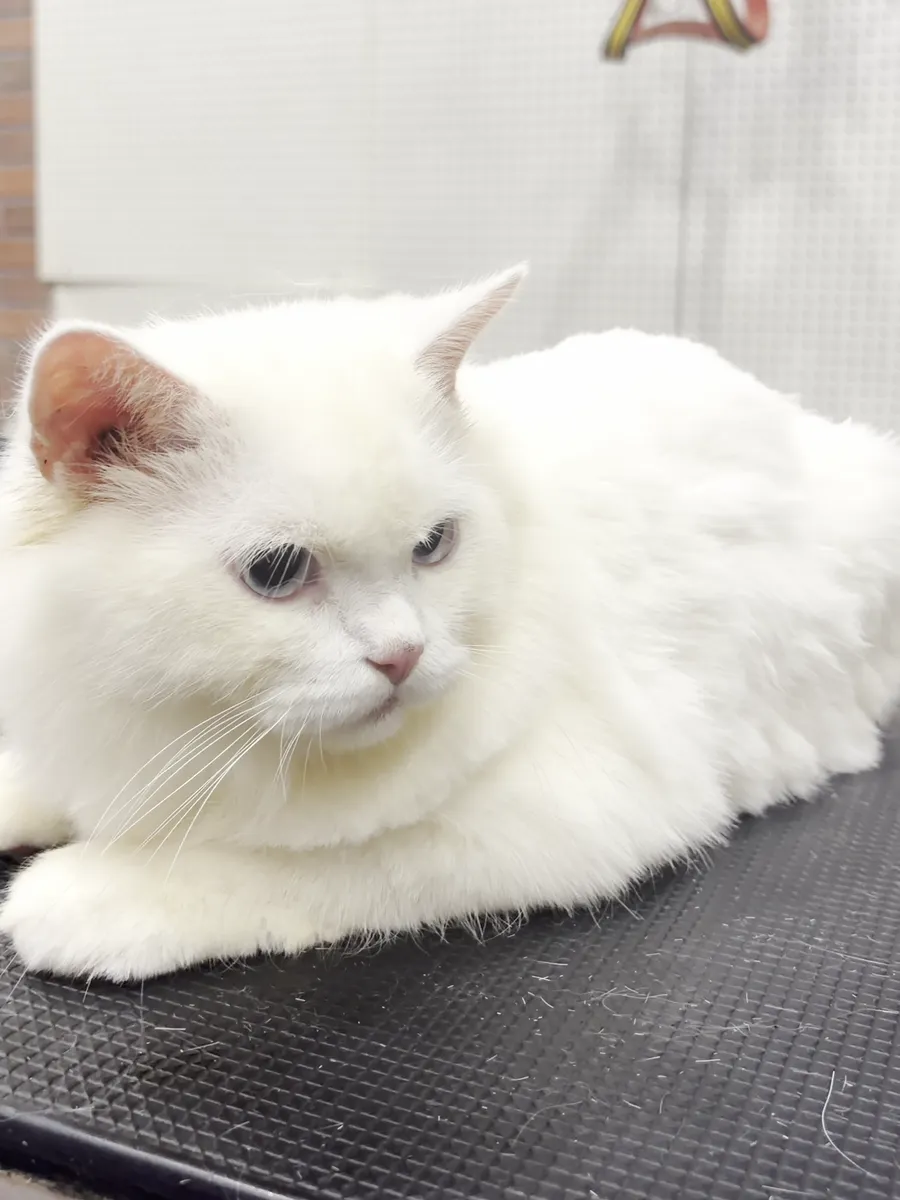
Cat nail trimming is simple once you know where to cut. Trim an indoor cat’s nails every two to three weeks, taking off only the clear, sharp tip and staying well away from the pink quick. Short, calm sessions work best. If your cat won’t sit for all ten front claws and eight back ones, do a few at a time. Here’s how to do it step by step, and if your cat won’t cooperate, our cat grooming in Lucknow includes nail trims.
Why cat nail trimming matters
Cats scratch to shed the old outer layer of their claws, but indoor cats rarely wear them down. Overgrown claws catch on curtains, sofas and carpets, can tear when they snag, and hurt when your cat kneads on your lap. In older cats, claws can grow thick and curl right round into the paw pad, which is painful and can become infected.
Signs the nails are too long
- Claws stay visible when your cat’s paw is relaxed.
- You can hear clicking on tiled floors.
- Claws catch on fabric or get stuck in carpets.
- A claw is curving back towards the pad.
What you’ll need
- Cat nail clippers, scissor-style or small guillotine-style.
- Styptic powder or cornflour, in case you nick the quick.
- Good light, and treats your cat loves.
- A towel, for wrapping a wriggly cat gently.
How to trim a cat’s nails, step by step
- Pick a calm moment, such as when your cat is sleepy after a meal.
- Hold a paw gently and press the pad lightly between your thumb and finger. The claw will slide out.
- Find the quick. In pale claws it’s the pink part inside the nail. Cut only the clear tip in front of it, a couple of millimetres away.
- Clip with one quick, clean cut, holding the clippers at a slight angle.
- Don’t forget the dewclaw, on the inside of each front leg. It never touches the ground, so it grows the fastest.
- Reward your cat after each claw or each paw.
If your cat has dark claws and you can’t see the quick, take off just the very tip, the thin hooked part, and trim little and often rather than a lot at once.
Making nail time easier
- Handle your cat’s paws gently during cuddles, with no clippers, so it gets used to the feeling.
- Stop before your cat gets upset. One or two nails is a good start.
- Keep the same spot and the same time of day, so it becomes routine.
- Start young if you can. Our kitten first grooming guide explains how.
- Give your cat a sturdy scratching post. It helps keep claws healthy and saves your furniture.
Scratching posts and nail caps
Scratching is natural and important for cats. It keeps claws healthy, stretches the muscles and marks territory. Give your cat at least one sturdy post tall enough to stretch out fully, plus a flat cardboard scratcher, and place them near where your cat sleeps or where it already scratches the furniture. Soft nail caps are sold for cats, but they need careful fitting and replacing, so ask your vet before trying them. Very active climbers keep their claws especially sharp; our Bengal cat grooming page covers nail care for one of the liveliest breeds.
Trimming an older cat’s claws
Older cats scratch less, so their claws can grow thick and brittle and curl towards the pad. Check their paws every week, and trim thick claws more often, taking off a little at a time. Our senior cat grooming guide covers the rest of an older cat’s care, from gentle brushing to stiff joints.
When to see a vet or a groomer
If a claw has grown into the pad, is cracked or bleeding, or the toe looks swollen, see your vet. If your cat simply won’t accept a trim at home, that’s very common, and a groomer can do it quickly. If you’re in Lucknow, our cat grooming in Gomti Nagar includes nail trimming. For the rest of the routine, read how to groom a cat.
Frequently Asked Questions
How often should I trim my cat's nails?
Every two to three weeks suits most indoor cats. Outdoor cats may need it less often. Older cats often need more frequent checks, because their claws can grow thick and curl.
What happens if I cut the quick?
It will bleed and hurt. Stay calm, press a clean cloth or a pinch of styptic powder to the tip until the bleeding stops, and end the session with a treat. If the bleeding doesn't stop, check with your vet.
Can I use human nail clippers on my cat?
Small human clippers can work on tiny kitten claws, but cat nail clippers are safer and easier. They cut cleanly without crushing the claw.
Is declawing a good alternative to trimming?
No. Declawing is a surgery that removes part of each toe, not just the nail, and it isn't a grooming procedure. Regular trims and a good scratching post are the kind alternative.
Book your visit
Message us on WhatsApp or give us a call to pick a slot. Weekends fill up first, so booking ahead helps.
3/31, Vinay Khand 3, Gomti Nagar, Lucknow, Uttar Pradesh 226010 · Grooming & Pool: 10AM–8PM · Cafe: 12PM–10PM