
Cat Dental Care: Brushing Your Cat's Teeth at Home
Written by the PawPup grooming team · Published · Updated
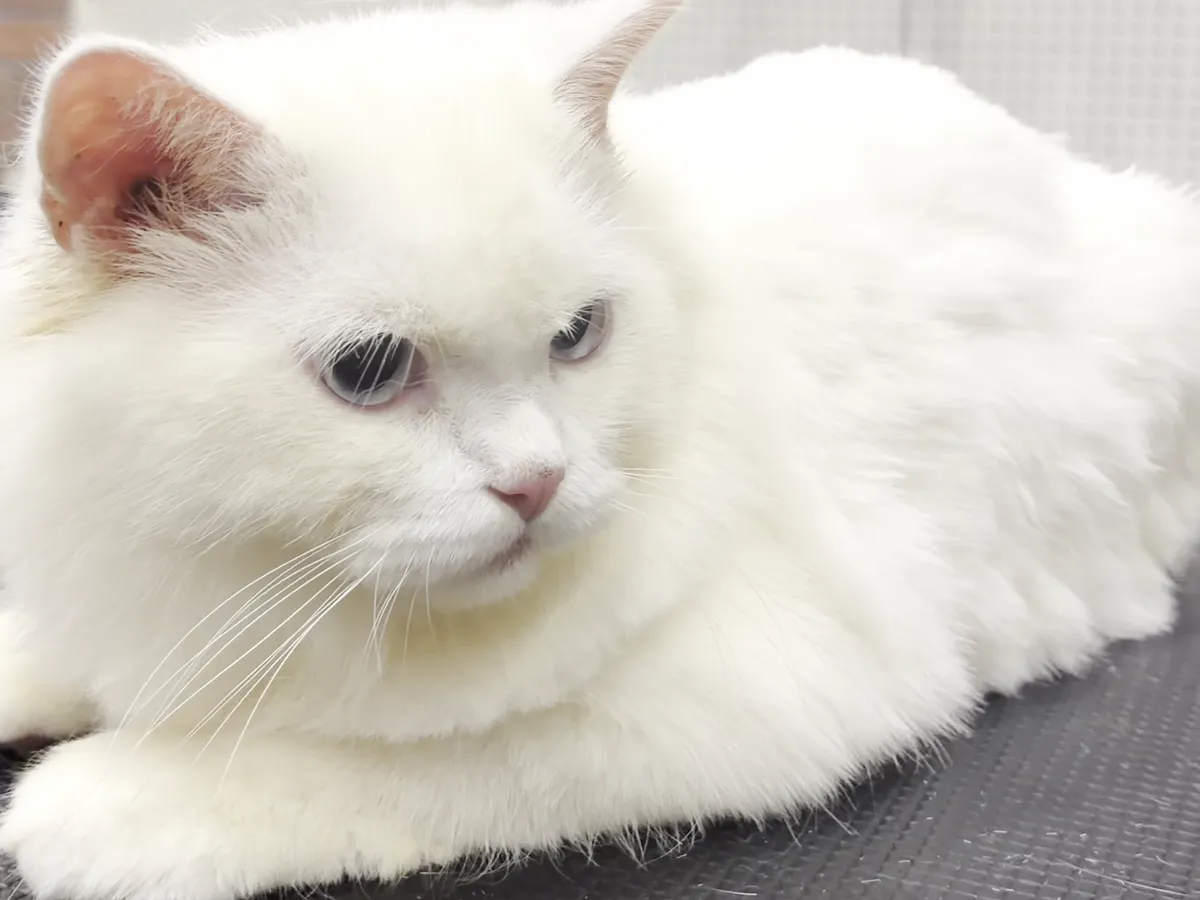
Good cat dental care at home means brushing your cat’s teeth with a soft cat toothbrush and a toothpaste made for cats, never human toothpaste, and getting your cat used to it slowly. Brushing helps keep plaque and bad breath under control. Drooling, red gums or a cat that stops eating are signs to see your vet.
Dental care sits alongside brushing, nail trims and ear checks as part of looking after your cat. For the grooming side, see our cat grooming in Lucknow page. We don’t offer dental treatment; that is always a job for your vet.
For our cat grooming services, call or WhatsApp us on +91 73888 86960 (message us on WhatsApp).
Why cat dental care matters
Cats are very good at hiding pain, and that includes a sore mouth. Many cats with dental problems keep eating, just more slowly or on one side, so owners often don’t notice until the problem is well along. Looking after your cat’s teeth at home, and having your vet check them regularly, helps catch problems early.
A sore mouth also affects grooming. Cats groom with their tongues and teeth, and a cat with mouth pain may stop grooming properly, which can lead to a greasy coat and mats. This is especially common in older cats, as our senior cat grooming guide explains.
Plaque, tartar and bad breath
After every meal, a soft, sticky film called plaque forms on the teeth. It is full of bacteria. If it isn’t brushed away, it hardens into tartar, the yellow or brown crust you sometimes see near the gum line. Tartar can’t be brushed off at home and needs to be removed by a vet.
Plaque and tartar irritate the gums, which can become red and swollen. Over time this can lead to gum disease and painful teeth. Bad breath is one of the earliest signs. A cat’s breath shouldn’t smell strong, so if you notice a change, check with your vet.
What you need
- A cat toothbrush: a small, soft-bristled brush made for cats, or a soft finger brush that fits over your fingertip.
- Cat toothpaste: a toothpaste made for cats. These come in flavours cats tend to like and are safe to swallow.
- Treats or praise to reward your cat afterwards.
Never use human toothpaste. It often contains ingredients that aren’t safe for cats, and cats swallow whatever goes in their mouths. Don’t use baking soda or salt either. Ask your vet if you’re unsure what to use.
Getting your cat used to it slowly
Most cats won’t accept a toothbrush on day one. Build up over many short sessions, and only move to the next step when your cat is relaxed with the current one.
- Touch the face. During a cuddle, gently stroke your cat’s cheeks and chin, then lightly lift the lip for a second. Reward and stop.
- Taste the toothpaste. Let your cat lick a little cat toothpaste from your finger, so it becomes something nice.
- Use your finger. With toothpaste on your fingertip, rub gently along the outside of a few teeth near the gum line.
- Introduce the brush. Once your cat accepts your finger, switch to the finger brush or toothbrush.
Starting young makes all of this much easier. Our kitten first grooming guide shows how to get a kitten used to having its mouth touched.
How to brush your cat’s teeth
Choose a calm moment, such as after a meal or a nap. Hold your cat gently, or sit it on your lap facing away from you. Lift the lip and brush the outer surfaces of the teeth with small, gentle circles, focusing on the gum line. Pay attention to the back teeth and the large canine teeth, where plaque often builds up.
You don’t need to brush the inner surfaces; most cats won’t allow it, and the outer surfaces matter most. Stop while your cat is still calm and finish with a reward. Ask your vet how often brushing is right for your cat.
Signs to see your vet
Home brushing helps prevent problems, but it doesn’t treat them. Check with your vet if you notice:
- Drooling, or blood in the saliva or on toys.
- Red, swollen or bleeding gums.
- Bad breath that doesn’t go away.
- Not eating, eating slowly, chewing on one side or dropping food.
- Pawing at the mouth or a swollen face.
- Loose, broken or discoloured teeth, or a lot of tartar.
- A cat that suddenly stops grooming itself.
Dental care as part of your cat’s routine
Teeth are one part of a bigger care routine. Short-haired breeds such as the Siamese need little coat care, so nails, ears and teeth become most of the job. Read how to groom a cat for the full home routine, and our cat nail trimming guide for paws.
For brushing, baths and nail trims, cats are welcome at PawPup Cafe for grooming only, not in the cafe, pool or play area. Our studio is at 3/31, Vinay Khand 3, Gomti Nagar, open every day from 10AM to 8PM.
Frequently Asked Questions
Can I use human toothpaste on my cat?
No. Human toothpaste often contains ingredients that aren't safe for cats to swallow, and cats can't spit it out. Always use a toothpaste made for cats.
Is bad breath normal in cats?
A cat's breath shouldn't smell strong. Bad breath is often a sign of plaque, gum problems or another health issue, so check with your vet.
My cat won't let me brush its teeth. What can I do?
Go back a step. Get your cat used to having its face and lips touched first, then a taste of cat toothpaste from your finger, before trying a brush. Keep it short and end with a reward. If brushing just isn't possible, ask your vet about other options.
Does PawPup Cafe clean cats' teeth?
We don't offer dental treatment, which is a job for your vet. For our cat grooming services, call or WhatsApp us on +91 73888 86960.
Book your visit
Message us on WhatsApp or give us a call to pick a slot. Weekends fill up first, so booking ahead helps.
3/31, Vinay Khand 3, Gomti Nagar, Lucknow, Uttar Pradesh 226010 · Grooming & Pool: 10AM–8PM · Cafe: 12PM–10PM